
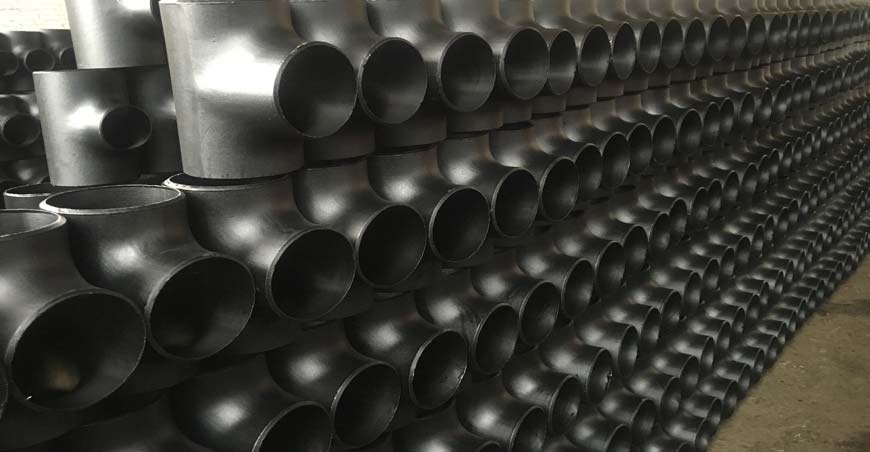
What Is Inconel Used For in Oil and Gas?
Inconel is a family of nickel-based superalloys designed to perform in extreme environments. In the oil and gas industry, Inconel is widely used for its exceptional resistance to corrosion, high temperatures, and pressure.
Unlike standard stainless steel, Inconel maintains its strength and integrity even in harsh offshore, deep-sea, and high-temperature refining environments, making it a preferred material for critical applications.
Why Inconel Is Important in Oil & Gas Industry
1. Extreme Corrosion Resistance
Oil and gas environments contain chlorides, hydrogen sulfide (H₂S), and CO₂, which can cause severe corrosion. Inconel resists these elements effectively.
2. High-Temperature Performance
Inconel retains its mechanical strength at temperatures exceeding 1000°C, making it ideal for refineries and processing units.
3. Pressure Resistance
Used in high-pressure wells and pipelines where failure is not an option.
4. Oxidation & Scaling Resistance
Performs well in oxidizing environments, especially in refining operations.
Key Properties of Inconel
1. High Strength
Inconel maintains strength even at elevated temperatures.
2. Excellent Corrosion Resistance
Resistant to pitting, crevice corrosion, and stress corrosion cracking.
3. Thermal Stability
Performs reliably under thermal cycling conditions.
4. Weldability
Many Inconel grades are weldable, making fabrication easier.
5. Durability
Long service life reduces maintenance and replacement costs.
Common Inconel Grades Used in Oil & Gas
1. Inconel 625
Excellent resistance to seawater corrosion
Widely used in offshore pipelines and subsea equipment
2. Inconel 718
High strength and fatigue resistance
Used in high-pressure valves and downhole tools
3. Inconel 825
Strong resistance to acidic environments
Ideal for chemical processing and sour gas applications
4. Inconel 600
Good oxidation resistance
Used in heat exchangers and furnace components
Applications of Inconel in Oil and Gas
1. Pipelines & Tubing
Inconel pipes are used where corrosion and pressure are major concerns, especially in offshore drilling.
2. Downhole Equipment
Used in drilling tools, casing, and tubing exposed to high pressure and temperature.
3. Heat Exchangers
In refineries, Inconel is used due to its ability to handle high temperatures and corrosive fluids.
4. Valves & Fittings
Ensures reliability in high-pressure and high-temperature systems.
5. Offshore Platforms
Used in structural and mechanical components exposed to seawater and harsh weather.
Advantages of Using Inconel
1. Longer Service Life
Reduces the frequency of replacements.
2. Reduced Maintenance Costs
Less prone to corrosion and failure.
3. High Reliability
Ideal for critical operations where safety is essential.
4. Versatility
Applicable across upstream, midstream, and downstream sectors.
Inconel vs Stainless Steel in Oil & Gas
Performance Comparison
Inconel performs better in extreme temperatures
Superior resistance to corrosive chemicals
Stainless steel is more cost-effective but less durable in harsh environments
Cost Consideration
Inconel is more expensive but offers better long-term value due to reduced failures.
Limitations of Inconel
1. High Cost
More expensive than traditional materials.
2. Difficult Machining
Requires specialized tools and expertise.
3. Limited Availability
Certain grades may have longer lead times.
Best Practices for Using Inconel
1. Select the Right Grade
Choose based on temperature, pressure, and environment.
2. Ensure Proper Fabrication
Use skilled welding and machining techniques.
3. Regular Inspection
Monitor performance in critical applications.
Conclusion
Inconel plays a crucial role in the oil and gas industry due to its unmatched strength, corrosion resistance, and high-temperature performance. From offshore drilling to refinery operations, it ensures safety, efficiency, and durability.
Although the initial cost of Inconel is higher, its long-term benefits, reduced maintenance, and superior performance make it a valuable investment for critical oil and gas applications.
Related Reports
Inconel vs Hastelloy Fittings: Which High Nickel Alloy is Right for Your Project?
What Is Fusion Bonded Epoxy (FBE) Coating? Benefits for Oil & Gas Pipelines & Fittings
What Is Inconel Used For in Oil and Gas? Grades, Properties & Applications
Types of Stainless Steel Fittings: SS 310, 904L, 317L & When to Use Them
How We Support You:
- ✔ Detailed Guidance on Inconel Grades, Properties & Applications
- ✔ Expert Support for High-Temperature & Corrosive Oil & Gas Environments
- ✔ Assistance Across Upstream, Midstream & Downstream Operations
- ✔ Help in Selecting the Right Inconel Grade for Your Project
- ✔ Material Recommendations Based on Pressure, Temperature & Corrosion Needs
- ✔ Supply of Inconel Pipes, Fittings, Flanges & Custom Components
📧 Email us: info@trinityalloy.com
📱 Connect with us on WhatsApp for quick assistance