
Introduction
In industries where strength, corrosion resistance, and reliability are critical, duplex stainless steel fittings have become a preferred choice. Combining the best properties of austenitic and ferritic stainless steels, these fittings deliver high performance in demanding environments such as oil & gas, chemical processing, and marine systems.
But what exactly are duplex stainless steel fittings, and how do you choose the right type and grade? This guide provides a functional, structured overview of their types, applications, grades, and selection criteria—helping procurement engineers make informed decisions.
What Are Duplex Stainless Steel Fittings?
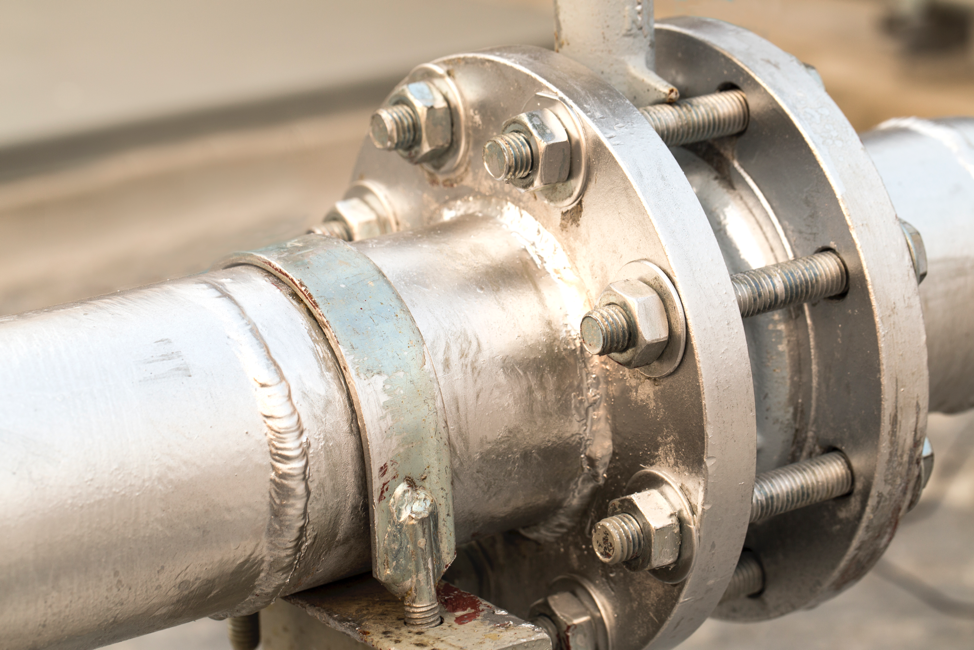
Duplex stainless steel fittings are piping components made from duplex stainless steel, which has a dual-phase microstructure of austenite and ferrite.
Key Characteristics
High strength (almost double that of standard stainless steel)
Excellent resistance to corrosion and stress corrosion cracking
Good weldability and durability
Cost-effective compared to higher alloy steels
Why They Matter
These fittings are widely used where both mechanical strength and corrosion resistance are required.
Types of Duplex Stainless Steel Fittings
Duplex fittings come in various types to suit different piping configurations and flow requirements.
1. Elbow Fittings
Used to change the direction of flow (45°, 90°, 180°)
Common in pipeline routing systems
2. Tee Fittings
Allow fluid flow in three directions
Used for branching pipelines
3. Reducers
Connect pipes of different diameters
Types: concentric and eccentric
4. Couplings
Join two pipes together
Useful in repair and extension work
5. Caps
Seal the end of a pipe
Used for temporary or permanent closures
6. Cross Fittings
Connect four pipe sections
Used in complex piping systems
7. Stub Ends & Flange Fittings
Used with flanges for easy disassembly
Common in maintenance-heavy systems
Applications of Duplex Stainless Steel Fittings
Duplex fittings are widely used across industries due to their durability and resistance properties.
1. Oil and Gas Industry
Offshore and onshore pipelines
Subsea systems
Why? High strength and resistance to harsh environments
2. Chemical Processing
Handling corrosive chemicals
Processing plants
3. Marine and Offshore
Shipbuilding
Seawater systems
Why? Excellent resistance to chloride corrosion
4. Water Treatment Plants
Desalination systems
Wastewater pipelines
5. Power Generation
Heat exchangers
Cooling systems
Common Grades of Duplex Stainless Steel Fittings
Grades define the chemical composition and performance characteristics.
Popular Duplex Grades
UNS S31803 – Standard duplex grade
UNS S32205 – Improved corrosion resistance
Super Duplex Grades (For Extreme Conditions)
UNS S32750 (2507)
UNS S32760
Why Grades Matter
Ensure compatibility with specific environments
Define strength and corrosion resistance
Help meet industry standards
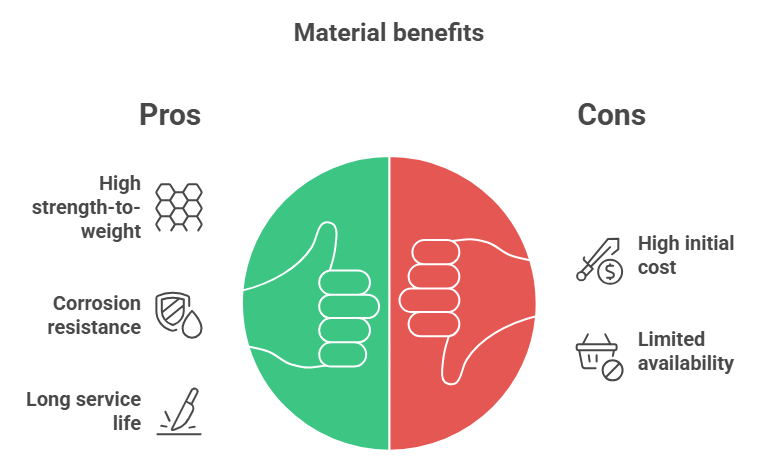
Key Advantages of Duplex Stainless Steel Fittings
Benefits
High strength-to-weight ratio
Excellent resistance to pitting and crevice corrosion
Longer service life
Reduced maintenance costs
Limitations to Consider
Drawbacks
Higher cost than carbon steel
Requires controlled welding procedures
Limited availability in some sizes
How to Choose the Right Duplex Fittings
Step-by-Step Selection Guide
Evaluate the environment
Moderate corrosion → Duplex
Severe corrosion → Super duplex
Check pressure and temperature requirements
High → Super duplex preferred
Select the right fitting type
Direction change → Elbow
Branching → Tee
Choose the appropriate grade
Standard → UNS S31803
High performance → UNS S32750
Consider lifecycle cost
Balance initial cost with durability
People Also Ask
What are duplex stainless steel fittings used for?
They are used in industries like oil & gas, marine, and chemical processing where strength and corrosion resistance are required.
Which grade is best for duplex fittings?
UNS S31803 (2205) is the most commonly used grade for general applications.
Are duplex fittings better than stainless steel?
Yes, they offer higher strength and better corrosion resistance compared to standard stainless steel.
Can duplex fittings be welded?
Yes, but proper welding procedures are required to maintain properties.
What is the difference between duplex and super duplex fittings?
Super duplex fittings have higher alloy content, providing better performance in extreme environments.
Real-World Use Case
Example Scenario
Project: Desalination plant
Requirement: Corrosion resistance + durability
Solution: Duplex stainless steel fittings (UNS S32205)
Result: Long-lasting and efficient piping system
Conclusion
Duplex stainless steel fittings offer a powerful combination of strength, corrosion resistance, and cost efficiency, making them ideal for demanding industrial applications.
Final Takeaways
Suitable for both moderate and harsh environments
Available in multiple types and grades
Provide long-term reliability with reduced maintenance
Procurement Insight
Choosing the right duplex fitting ensures optimal performance, safety, and cost savings, helping engineers build durable and efficient piping systems.
Related Reports
Inconel vs Hastelloy Fittings: Which High Nickel Alloy is Right for Your Project?
What Is Fusion Bonded Epoxy (FBE) Coating? Benefits for Oil & Gas Pipelines & Fittings
What Is Inconel Used For in Oil and Gas? Grades, Properties & Applications
Types of Stainless Steel Fittings: SS 310, 904L, 317L & When to Use Them
How We Support You:
- ✔ Detailed Guidance on Duplex Stainless Steel Grades & Types
- ✔ Expert Support for High Strength & Corrosion-Resistant Applications
- ✔ Assistance Across Oil & Gas, Chemical & Marine Industries
- ✔ Help in Selecting the Right Duplex Grade for Your Project
- ✔ Material Recommendations Based on Pressure, Temperature & Chloride Exposure
- ✔ Supply of Duplex Pipes, Fittings, Flanges & Custom Components
📧 Email us: info@trinityalloy.com
📱 Connect with us on WhatsApp for quick assistance