
Selecting the right pipe fittings and flanges is a critical decision in oil and gas projects, especially in regions like the GCC (Gulf Cooperation Council) and Africa where environmental conditions, operational demands, and regulatory requirements can be extremely challenging. From high temperatures in desert regions to offshore corrosion risks, choosing the correct materials and specifications directly impacts safety, performance, and project lifespan. A poor selection can lead to leaks, failures, costly downtime, and even environmental hazards. This guide explains how to make the right choice based on real-world industry requirements.
Understanding the Role of Pipe Fittings & Flanges
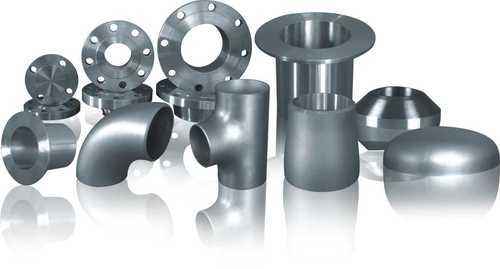
Pipe fittings and flanges are essential components used to connect, control, and direct the flow of fluids in pipelines. Fittings include elbows, tees, reducers, and couplings, while flanges are used to join pipes, valves, and equipment, allowing easy maintenance and inspection.
In oil and gas projects, these components must handle:
High pressure and temperature
Corrosive chemicals and gases
Harsh environmental conditions
Continuous operation under stress
Because of this, material selection and standards compliance are extremely important.
Key Factors to Consider Before Selection
1. Operating Environment
Projects in GCC and Africa face unique environmental challenges.
GCC region: High temperatures, sandstorms, and saline conditions
Africa: Offshore corrosion, humidity, and variable climates
In such conditions, materials must resist corrosion, oxidation, and thermal stress. For example, offshore projects require high resistance to seawater corrosion, while desert pipelines need heat-resistant alloys.
2. Material Selection
Choosing the right material is the most important step. Common materials include:
Carbon Steel – cost-effective but less corrosion-resistant
Stainless Steel – good corrosion resistance and durability
Duplex Stainless Steel – excellent for high-pressure and corrosive environments
Super Duplex Stainless Steel – superior strength and corrosion resistance for offshore use
Inconel – ideal for high-temperature applications
Hastelloy – best for highly corrosive chemical environments
Material selection depends on the fluid type, temperature, pressure, and exposure conditions.
3. Pressure and Temperature Ratings
Oil and gas systems operate under varying pressure and temperature levels. Pipe fittings and flanges must match these conditions to avoid failure.
Standards such as ASME B16.5 and B16.9 define pressure classes (e.g., Class 150, 300, 600, 900, 1500, 2500). Higher classes are used for more demanding conditions.
Always ensure that the selected components meet or exceed the required pressure-temperature ratings.
4. Corrosion Resistance
Corrosion is a major concern in oil and gas projects, especially offshore and in chemical processing environments.
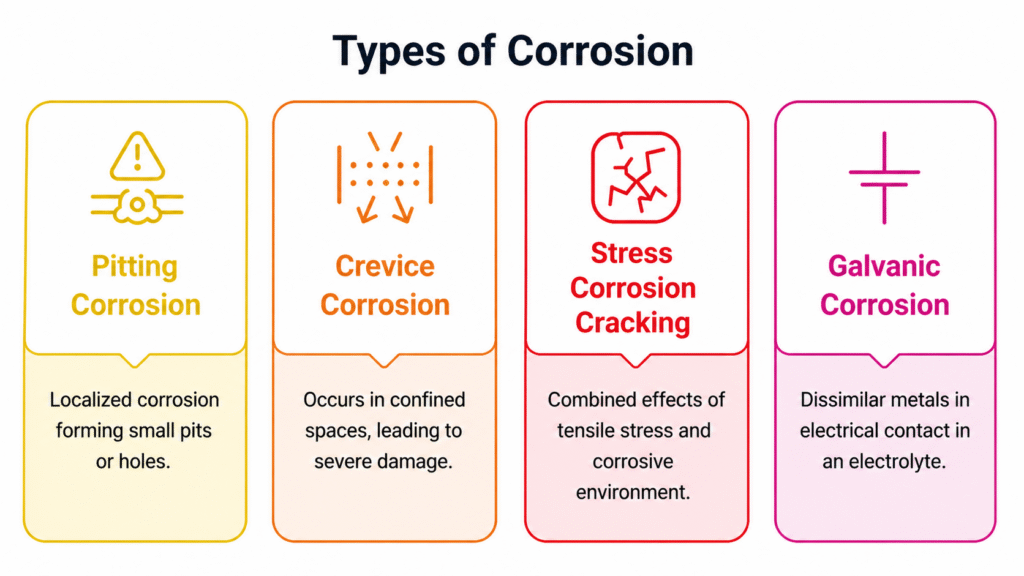
Types of corrosion to consider:
Pitting corrosion
Crevice corrosion
Stress corrosion cracking
Galvanic corrosion
Using corrosion-resistant alloys like Duplex Stainless Steel or Super Duplex Stainless Steel significantly increases system reliability
5. Type of Fittings and Flanges
Selecting the correct type depends on application and pipeline design.
Common fittings:
Elbows (change direction)
Tees (branch connections)
Reducers (change pipe size)
Caps (close pipe ends)
Common flanges:
Weld Neck Flanges (high pressure systems)
Slip-On Flanges (low pressure applications)
Blind Flanges (closing pipeline ends)
Socket Weld Flanges (small diameter, high pressure)
Each type has specific use cases, and wrong selection can affect system performance.
6. Compliance with International Standards
Oil and gas projects in GCC and Africa follow strict international standards. Ensure fittings and flanges comply with:
ASTM (material standards)
ASME (design and pressure standards)
API (oil and gas industry standards)
ANSI (dimensional standards)
Compliance ensures safety, quality, and acceptance in global projects.
7. Project Type (Onshore vs Offshore)
Onshore Projects:
Less exposure to seawater
Moderate corrosion risks
Cost-effective materials often used
Offshore Projects:
High exposure to saltwater
Severe corrosion risks
Require high-performance alloys like Super Duplex Stainless Steel or nickel alloys
Understanding the project environment helps in selecting durable materials.
8. Cost vs Performance Balance
While high-performance alloys offer better durability, they are more expensive. It is important to balance cost and performance.
Use premium alloys only where required
Use carbon steel or stainless steel for less critical sections
Optimize material usage based on risk zones
This approach reduces overall project cost without compromising safety.
9. Supplier Quality and Certification
Always choose reliable manufacturers who provide:
Material Test Certificates (MTC)
Third-party inspection reports
Traceability records
Compliance documentation
Quality assurance is critical in large-scale oil and gas projects.
Common Mistakes to Avoid
Choosing low-cost materials for critical applications
Ignoring environmental conditions
Not checking pressure ratings
Using non-certified suppliers
Overlooking corrosion factors
Avoiding these mistakes can prevent major operational failures.
Best Practices for Selection
Conduct proper material selection analysis
Understand fluid composition and operating conditions
Follow international standards strictly
Consult engineers and material experts
Perform corrosion and stress analysis
Plan for long-term durability, not short-term savings
Related Reports
Inconel vs Hastelloy Fittings: Which High Nickel Alloy is Right for Your Project?
What Is Fusion Bonded Epoxy (FBE) Coating? Benefits for Oil & Gas Pipelines & Fittings
What Is Inconel Used For in Oil and Gas? Grades, Properties & Applications
Types of Stainless Steel Fittings: SS 310, 904L, 317L & When to Use Them
Conclusion
For oil and gas projects in the Gulf Cooperation Council (GCC) and Africa, choosing the appropriate pipe fittings and flanges necessitates a thorough comprehension of material qualities, industry regulations, and environmental circumstances. Whether it is handling extreme desert heat, offshore corrosion, or high-pressure systems, the right selection ensures safety, efficiency, and long-term performance. Modern oil and gas infrastructure relies heavily on materials like Hastelloy, Inconel, Super Duplex Stainless Steel, and Duplex Stainless Steel. Businesses can guarantee dependable operations and lower long-term risks in difficult settings by adhering to appropriate selection criteria and best practices.
How We Support You
Selecting the right pipe fittings and flanges is critical for ensuring safety, durability, and long-term performance in oil & gas projects across GCC and African markets. Our team helps you choose high-quality industrial fittings and flanges that can withstand harsh operating conditions, corrosive environments, extreme temperatures, and high-pressure applications.
We support you with:
- Selection of carbon steel, stainless steel, duplex, and nickel alloy fittings
- Guidance for Inconel, Hastelloy, Monel, and super duplex materials
- ANSI, ASME, ASTM, DIN, and API standard compliance support
- Flange and fitting recommendations for offshore, refinery, and pipeline projects
- Technical documentation and material test certificates
- Custom sizes, pressure ratings, and project-specific solutions
- Fast quotations and bulk supply support for GCC & African industries
Whether your project involves refineries, petrochemical plants, offshore platforms, LNG facilities, or pipeline infrastructure, we provide reliable piping component solutions tailored to your operational requirements.