
Equipment at petrochemical plants is continuously subjected to high temperatures, intense pressure, and extremely corrosive chemicals in some of the most hostile industrial settings. Standard materials frequently fail under such harsh circumstances because of oxidation, corrosion, or mechanical stress. High nickel alloy fittings become crucial in this situation. Because of their exceptional resistance to heat, corrosion, and chemical reactions, materials like Inconel, Hastelloy, and Monel are frequently employed in the petrochemical industry. These alloys are essential to pipelines and processing systems’ long-term performance, durability, and safety.
What Are High Nickel Alloy Fittings?
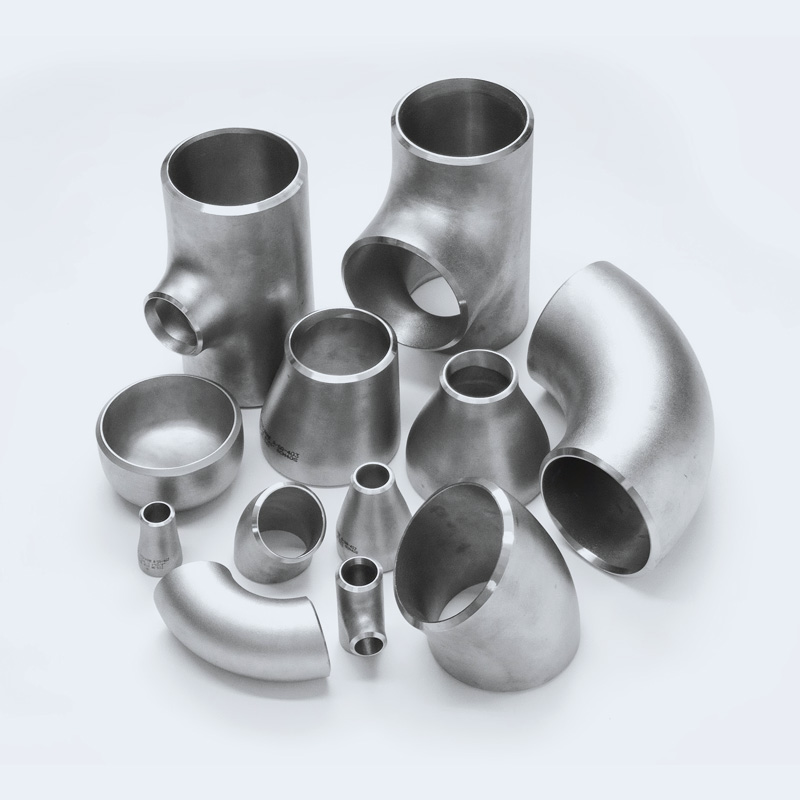
Pipe fittings constructed of alloys with a high nickel content are known as high nickel alloy fittings. These alloys are frequently mixed with elements such as chromium, molybdenum, iron, or copper. These fittings, which link and guide fluid flow in pipelines, include elbows, tees, reducers, couplings, and flanges.
Particularly in acidic and hot conditions, nickel improves corrosion resistance. Because of this, these alloys are perfect for sectors including power production, chemical processing, oil & gas, and maritime engineering.
Why Petrochemical Plants Need High Nickel Alloys
Petrochemical environments involve exposure to aggressive chemicals like sulfuric acid, hydrochloric acid, chlorides, and hydrocarbons. In addition, high-pressure and high-temperature processes increase the risk of material degradation.
Using high nickel alloys offers several advantages:
Excellent corrosion resistance
High temperature stability
Strong mechanical properties
Resistance to oxidation and scaling
Long service life with reduced maintenance
These benefits help prevent leaks, equipment failure, and costly downtime.
Inconel Fittings: High-Temperature Strength
Inconel is a nickel-chromium-based alloy known for its exceptional performance in extreme temperatures. It retains strength and resists oxidation even at temperatures exceeding 1000°C.
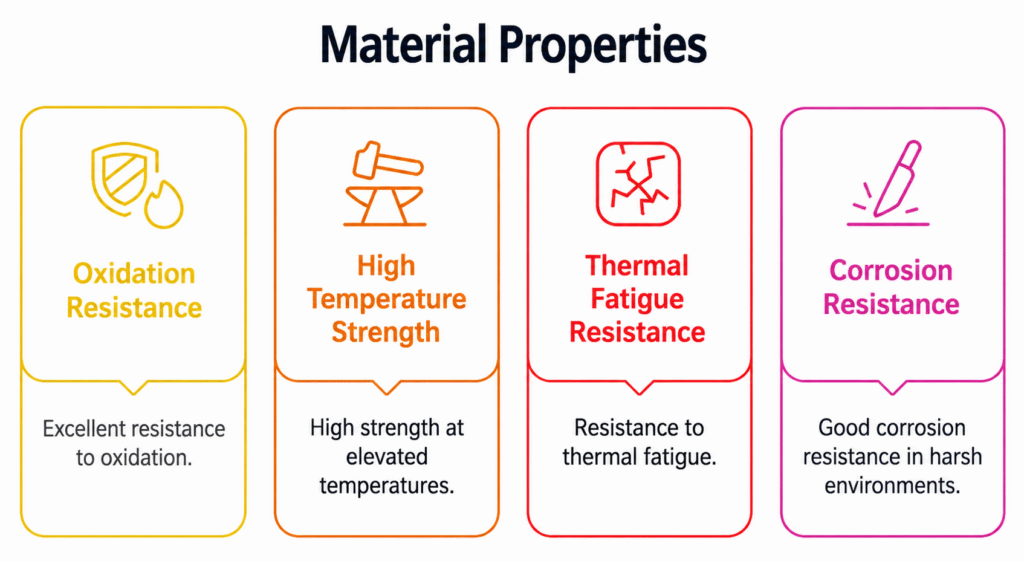
Key Properties
Excellent oxidation resistance
High strength at elevated temperatures
Resistance to thermal fatigue
Good corrosion resistance in harsh environments
Common Grades
Inconel 600
Inconel 625
Inconel 825
Applications in Petrochemical Plants
Inconel fittings are widely used in heat exchangers, reactors, furnace components, and high-temperature piping systems. They are ideal for applications where both heat and corrosion resistance are required.
Hastelloy Fittings: Superior Corrosion Resistance
Hastelloy is known for its outstanding resistance to a wide range of aggressive chemicals. It performs exceptionally well in acidic environments where many other alloys fail.
Key Properties
Excellent resistance to pitting and crevice corrosion
Strong performance in acidic environments
High resistance to chemical attack
Good weldability
Common Grades
Hastelloy C22
Hastelloy C276
Hastelloy B2
Applications in Petrochemical Plants
Hastelloy fittings are commonly used in chemical reactors, acid processing units, pollution control systems, and flue gas scrubbers. They are the preferred choice when dealing with highly corrosive media.
Monel Fittings: Marine and Chemical Durability
Monel is a nickel-copper alloy that offers excellent resistance to seawater and various chemical environments. It is particularly effective in marine and chloride-rich conditions.
Key Properties
Excellent resistance to seawater corrosion
Good mechanical strength
Resistance to alkalis and acids
High durability in marine environments
Common Grades
Monel 400
Monel K500
Applications in Petrochemical Plants
Monel fittings are used in piping systems exposed to seawater, brine solutions, and chemical processing units. They are also common in offshore oil and gas operations.
Comparison: Inconel vs Hastelloy vs Monel
Property | Inconel | Hastelloy | Monel |
Base Composition | Nickel-Chromium | Nickel-Molybdenum | Nickel-Copper |
Best For | High Temperature | Corrosive Chemicals | Marine Environments |
Corrosion Resistance | High | Very High | Moderate to High |
Heat Resistance | Excellent | Good | Moderate |
Cost | High | Very High | Moderate |
Each alloy serves a specific purpose, and the choice depends on the operating environment.
Types of High Nickel Alloy Fittings
Petrochemical plants use various types of fittings, including:
Elbows (45°, 90°, 180°)
Tees (equal and reducing)
Reducers (concentric and eccentric)
Couplings
Caps
Flanges
These fittings help in directing flow, connecting pipes, and maintaining system efficiency.
Key Factors When Choosing the Right Alloy
Selecting the right high nickel alloy fitting depends on several factors:
Type of chemicals involved
Operating temperature and pressure
Corrosion risks
Mechanical strength requirements
Cost considerations
Compliance with industry standards
A proper material selection ensures safety, performance, and long-term reliability.
Industry Standards and Quality
High nickel alloy fittings used in petrochemical plants must meet international standards such as ASTM, ASME, and ANSI. These standards ensure quality, dimensional accuracy, and performance reliability.
Testing methods include:
Hydrostatic testing
Non-destructive testing (NDT)
Chemical composition analysis
Mechanical property testing
Ensuring certified materials is critical for industrial safety.
Benefits of Using High Nickel Alloy Fittings
Longer lifespan compared to standard materials
Reduced maintenance and replacement costs
Improved safety in hazardous environments
Better performance under extreme conditions
Resistance to corrosion and chemical damage
These benefits make them a preferred choice in critical industrial applications.
Related Reports
Inconel vs Hastelloy Fittings: Which High Nickel Alloy is Right for Your Project?
What Is Fusion Bonded Epoxy (FBE) Coating? Benefits for Oil & Gas Pipelines & Fittings
What Is Inconel Used For in Oil and Gas? Grades, Properties & Applications
Types of Stainless Steel Fittings: SS 310, 904L, 317L & When to Use Them
Conclusion
Petrochemical plants require high nickel alloy fittings like Inconel, Hastelloy, and Monel. Industrial operations are reliable and safe because of their resistance to severe conditions, strong chemicals, and extreme temperatures. The particular application, the surrounding environment, and the performance requirements all influence the choice of alloy. The need for high-performance materials like these will only grow as petrochemical processes develop further, making them an essential component of contemporary industrial infrastructure.
How We Support You
Looking for reliable high nickel alloy fittings for petrochemical and chemical processing applications? Our team provides complete support for selecting the right Inconel, Hastelloy, and Monel fittings based on your operating conditions, temperature range, pressure requirements, and corrosion environment.
We assist you with:
- Material selection guidance
- Technical specifications & documentation
- Custom sizing and project requirements
- Corrosion-resistant fitting solutions
- Bulk order and industrial supply support
- Competitive pricing and fast response
Whether you need fittings for refineries, offshore platforms, chemical plants, or high-temperature piping systems, we help you find durable and industry-compliant solutions for long-term performance and safety.